

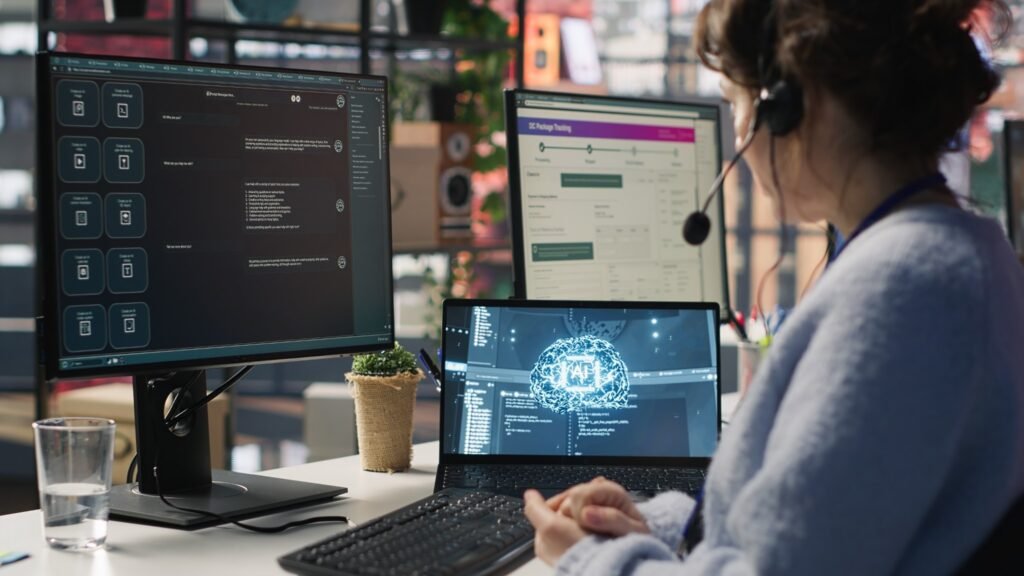
How IT Managed Support Services Reduce Production Downtime
Production downtime can quickly become an expensive problem for businesses. When systems, networks, applications, or devices stop working, employees may be unable to continue their tasks and production can slow down or stop completely.
For businesses that depend heavily on technology, having IT support that only reacts when something breaks is rarely enough. IT managed support services take a more proactive approach by continuously monitoring systems, maintaining infrastructure, and addressing potential problems before they cause major disruption.
Here are the key ways IT managed support services can help reduce production downtime and keep operations running smoothly.
1. Proactive IT Monitoring
One of the biggest advantages of IT managed support services is continuous monitoring. Rather than waiting for employees to report an issue, IT teams monitor servers, networks, devices, applications, and other critical systems for unusual activity or performance problems at all times.
Understanding the core features of IT managed support services helps businesses see how proactive monitoring differs from the traditional break-fix model where support only begins after something fails.
Early monitoring can identify issues such as:
- Network performance degradation before it causes connectivity failures
- Server resource limitations approaching critical thresholds
- Device components showing early signs of failure
- Application errors that could lead to system crashes
- Connectivity issues affecting specific users or locations
Why Proactive Monitoring Changes the Outcome
Identifying a potential problem at 70% severity is very different from discovering it at 100% when operations have already stopped. Proactive monitoring gives IT teams the window they need to act before employees are affected.
2. Faster Issue Detection
When an IT problem occurs, every minute matters. IT managed support services use monitoring and alerting tools to identify problems quickly, reducing the time between an issue occurring and the support team becoming aware of it.
Understanding why IT support response time matters puts this in context: even a 15-minute reduction in detection time can mean the difference between a minor disruption and a full production halt.
For production environments in particular, faster detection translates directly into less disruption to employees, systems, and business operations.
Detection vs Reporting
In traditional IT support, the detection clock starts when an employee reports the issue. With managed support, monitoring tools start the clock the moment a problem begins, often before any employee has noticed anything is wrong.
3. Faster Troubleshooting and Resolution
Managed IT support teams have established processes for handling technical issues. Instead of starting from scratch every time a problem occurs, support teams can draw on:
- Documented troubleshooting procedures tailored to the environment
- Live and historical monitoring data showing what changed before the issue
- Detailed system information about configurations and recent updates
- Previous incident records for the same or similar problems
This preparation reduces troubleshooting time significantly and gets affected systems back into operation faster than an ad hoc reactive response would allow.
The Value of Institutional Knowledge
A managed support team that knows your environment well can often resolve incidents in minutes that would take an unfamiliar team hours to investigate. This is one of the less visible but highly practical benefits of a long-term managed support relationship.
4. Preventive Maintenance
Some IT problems can be avoided entirely through regular, scheduled maintenance. IT managed support services typically include activities such as:
- Operating system and application updates to address known vulnerabilities and bugs
- Hardware health checks to identify components approaching the end of their reliable lifespan
- Software maintenance to clear accumulated errors and optimise performance
- Configuration reviews to catch settings drift or misalignments
- Performance baseline reviews to identify gradual degradation before it becomes critical
Preventive maintenance reduces the risk of unexpected failures that interrupt production. For businesses that rely on critical IT infrastructure, scheduled maintenance is consistently more cost-effective than dealing with unplanned failures and the downtime they cause.
5. Network Problems Can Be Addressed Earlier
A reliable network is essential for most businesses. Slow connections, unstable WiFi, hardware failures, configuration issues, or network congestion can affect employees and production processes in ways that are difficult to diagnose without proper visibility.
IT managed support services monitor network performance continuously and can investigate recurring connectivity problems before they escalate. This approach allows businesses to address underlying infrastructure or configuration issues rather than repeatedly dealing with the same disruption every time it surfaces.
Common Network Issues That Managed Support Catches Early
- Bandwidth congestion during peak usage periods that gradually worsens
- Failing switches or access points that intermittently drop connections
- Routing or DNS misconfigurations that cause slow application performance
- WiFi interference issues in specific areas that affect particular teams
6. Cybersecurity Incidents Can Cause Downtime Too
Production downtime is not always caused by hardware failures or technical faults. Cybersecurity incidents are a significant and growing cause of operational disruption. According to CyberSecurity Malaysia, cyberattacks including malware, ransomware, and unauthorised access can affect systems and prevent employees from accessing critical resources for extended periods.
Cybersecurity managed services work alongside IT managed support to strengthen security controls, monitor for suspicious activity, manage software updates, and respond to potential threats before they cause major operational disruption.
Why Security Cannot Be Separated From Uptime
A ransomware attack that encrypts production systems can cause days or weeks of downtime, far exceeding the impact of most hardware failures. Businesses that treat cybersecurity as separate from IT support often find themselves without a coordinated response when an incident affects operations.
7. Backup and Recovery Support
When important systems fail despite all preventive measures, having reliable backups makes a critical difference to how quickly operations can resume.
IT managed support services help businesses establish and maintain backup processes for important systems and data. A properly designed recovery plan allows businesses to restore affected systems more efficiently following incidents such as hardware failure, accidental data loss, or a cybersecurity attack.
Backups Need to Be Tested, Not Just Created
Many businesses discover that their backups are incomplete or unrestorable only when they actually need them. IT managed support services should include periodic recovery tests to confirm that backup data is intact and that the restoration process works within an acceptable timeframe.
8. Recurring Problems Can Be Identified and Resolved
If the same IT issue keeps occurring, applying a fix each time without investigating the underlying cause is an inefficient and ultimately expensive approach. IT managed support teams review incident history and identify recurring patterns that point to root causes.
For example:
- Repeated network failures may indicate a hardware component approaching failure
- Frequent application crashes could point to a resource allocation issue on the hosting server
- Regular device problems across a team may suggest outdated hardware that needs replacing
- Recurring login issues might indicate a configuration or account management problem
Identifying these patterns allows businesses to address the real cause rather than continuously treating the symptom, which reduces both downtime frequency and overall support costs.
9. IT Support Can Scale With Production Needs
As a business grows, its IT environment becomes more complex. More employees, devices, applications, locations, and cloud services create additional points of failure that need to be monitored and maintained.
IT managed support services scale alongside the business, providing continuous monitoring and technical support as the environment expands. This makes it much easier to maintain consistent IT performance without requiring the business to build out a large internal IT team every time the environment grows.
What Scalability Looks Like in Practice
A business that adds a new office location can bring it under the same monitoring and support framework as existing locations without building separate support arrangements from scratch. The managed support provider extends coverage rather than the business starting over.
Why Reducing IT Downtime Matters
Downtime affects more than just technology. It delays production, reduces employee productivity, disrupts customer service, increases operational costs, and can damage the customer experience in ways that persist long after the systems are back online.
The longer a critical system remains unavailable, the greater the potential business impact. This is why businesses should look beyond emergency IT support and consider how proactive monitoring, regular maintenance, security, and recovery planning work together to reduce both the likelihood and the duration of downtime.
How ACEiT Helps Businesses Reduce IT Downtime
ACEiT provides IT infrastructure, network, cybersecurity, cloud, and managed support services to help businesses maintain reliable technology environments. Through proactive monitoring, technical support, infrastructure management, and security services, ACEiT helps businesses identify potential IT issues earlier and respond to problems more efficiently when they do occur.
Frequently Asked Questions (FAQ)
IT managed support services provide ongoing technical support, monitoring, maintenance, and management of a business's IT environment, with the aim of keeping systems reliable and addressing issues proactively rather than reactively.
Managed IT support reduces downtime through proactive monitoring, preventive maintenance, faster troubleshooting, network management, cybersecurity support, and reliable backup and recovery planning.
No IT service can guarantee zero downtime. However, proactive monitoring and maintenance significantly reduce the likelihood of certain failures and help businesses respond more quickly when problems do occur.
Yes. Businesses that rely on technology, networks, applications, devices, or cloud systems for production operations can benefit substantially from ongoing IT monitoring and managed support.
Businesses should consider the provider's technical expertise, response times, monitoring capabilities, cybersecurity support, service coverage, escalation process, and understanding of the specific operational environment.
Regular maintenance catches potential problems before they cause failures, including software updates, hardware checks, and configuration reviews that keep systems stable and performing reliably over time.
ACEiT provides IT infrastructure, network, cybersecurity, cloud, and managed support services to help businesses identify potential IT issues earlier and maintain a more reliable technology environment.
Conclusion
Production downtime has a direct impact on productivity, costs, and customer service. Waiting until something breaks before calling IT often means longer, more disruptive outages that could have been prevented or contained much earlier.
IT managed support services provide a more proactive approach by combining monitoring, maintenance, troubleshooting, cybersecurity, and recovery support into a structured, ongoing service. If recurring IT issues or unexpected outages are affecting your operations, ACEiT can help you identify the gaps and build a more reliable IT environment. Contact ACEiT today to explore the right managed support solution for your business.